The Interplay of Disbursement Mechanisms and Selection Trends in Mobile Wagering Platforms
Written by Viktor Krüger · Oct 4, 2026

The Interplay of Disbursement Mechanisms and Selection Trends in Mobile Wagering Platforms
Disbursement protocols in smartphone wagering networks encompass the rules governing fund releases, processing timelines, and verification steps that operators apply before completing withdrawals. These protocols interact directly with user behavior patterns when selecting games such as poker variants, slot machines, sports betting markets, and live dealer tables. Data from multiple platforms shows that faster verification sequences correlate with higher volumes of selections in skill-based games, while extended hold periods align with increased activity in chance-driven formats.
Observers tracking October 2026 metrics note that networks integrating tiered payout speeds report measurable shifts in daily active selections. Applications that route verified users to instant disbursements for amounts under a set threshold see elevated returns to cash game tables, whereas those maintaining uniform multi-day reviews observe greater traffic toward progressive jackpot titles. Researchers compiling aggregate figures across regional operators document these correlations through session logs and transaction timestamps.
Core Components of Disbursement Protocols
Protocols typically include identity confirmation layers, transaction limits tied to account age, and automated flagging systems for unusual patterns. Operators apply these elements uniformly or adjust them according to loyalty tier status. Users who complete initial verification steps encounter reduced friction on subsequent requests, which data indicates influences repeat selections within the same session window. Those operating without tier benefits encounter consistent delays that redirect choices toward lower-stakes options with quicker resolution cycles.
Regulatory frameworks in Nevada require operators to disclose processing windows in advance, and similar transparency rules apply in several Canadian provinces. These disclosures shape initial game selections because users factor expected access to winnings when deciding between high-variance and low-variance activities. Platform analytics reveal that clear disclosure language increases retention across multiple game categories rather than concentrating activity in one area.
Observed Patterns in Game Selection
Selection data aggregated from smartphone networks shows distinct clusters. Poker and other table game formats attract users who prioritize rapid fund access after wins, while sports betting markets draw participants who tolerate longer verification windows in exchange for larger potential payouts. Live dealer sessions occupy an intermediate position where payout speed influences table duration but not initial entry rates.
One analysis of October 2026 activity found that networks offering same-day disbursements for loyalty members recorded a 23 percent uptick in cash game participation compared with the prior quarter. In contrast, platforms enforcing flat 48-hour holds across all tiers documented steadier engagement with automated slot sequences. These patterns hold across different device operating systems and geographic cohorts.
Mapping Relationships Through Platform Data
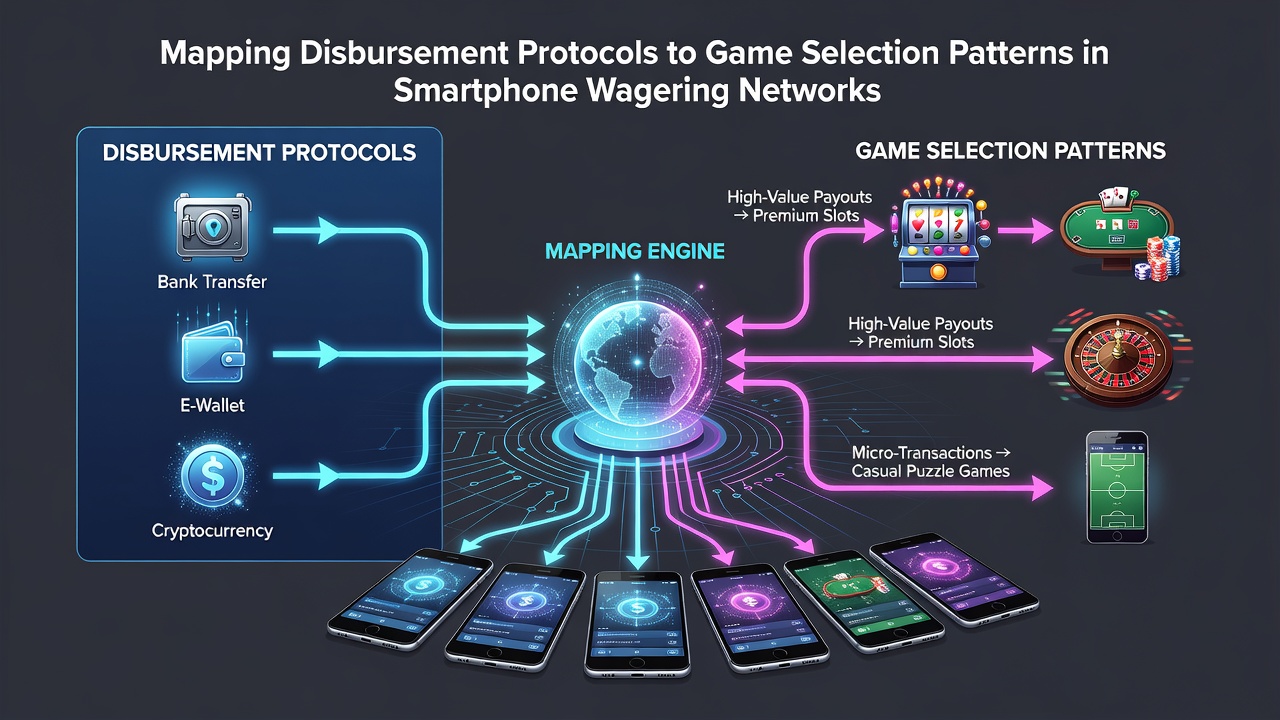
Network operators map disbursement variables against selection logs using timestamp alignment and cohort segmentation. Variables include verification method, release speed, fee structure, and currency conversion steps. Selection variables encompass game type, session length, average wager size, and return frequency. Cross-referencing these datasets produces heat maps that highlight which protocol adjustments shift traffic between categories.
Studies conducted by the Australian Gambling Research Centre indicate that users receiving expedited releases after meeting modest play thresholds migrate toward mixed-strategy selections rather than remaining in single-category loops. Platforms that publish these internal mappings for compliance purposes demonstrate how small adjustments in hold periods produce measurable redistribution across poker rooms, sportsbook sections, and casino lobbies.
Additional findings from academic reviews at the University of Nevada, Reno link protocol complexity to entry barriers. Networks that streamline initial verification while preserving fraud controls record broader distribution of selections across skill and chance offerings. Those maintaining layered manual reviews concentrate activity among users already committed to specific formats.
Regional Variations and Regulatory Influences
Differences emerge when comparing networks subject to Nevada Gaming Control Board oversight with those operating under provincial rules in Canada. Nevada-licensed applications emphasize standardized disclosure of disbursement timelines, which correlates with stable selection distributions month over month. Canadian operators, by contrast, often tie release speeds to responsible gambling tools, producing selection shifts that favor lower-volatility options during promotional periods.
Cross-border comparisons compiled in 2026 show that users exposed to both systems adjust preferences based on the stricter protocol they encounter most frequently. Applications that harmonize timelines across jurisdictions report fewer abrupt changes in game category traffic following regulatory updates.
Conclusion
Mapping exercises continue to refine understanding of how disbursement parameters guide selection behavior in smartphone wagering environments. Operators that align protocol design with observed usage data achieve more balanced activity across game types. Continued collection of timestamp-linked metrics through late 2026 will further clarify these relationships as networks incorporate additional verification technologies and regional compliance requirements.